Mosaicos: El maíz
“El maíz del Anáhuac, el maíz de olas fieles, cuerpo de los mexitlis, a mi cuerpo se viene” – Gabriela Mistral
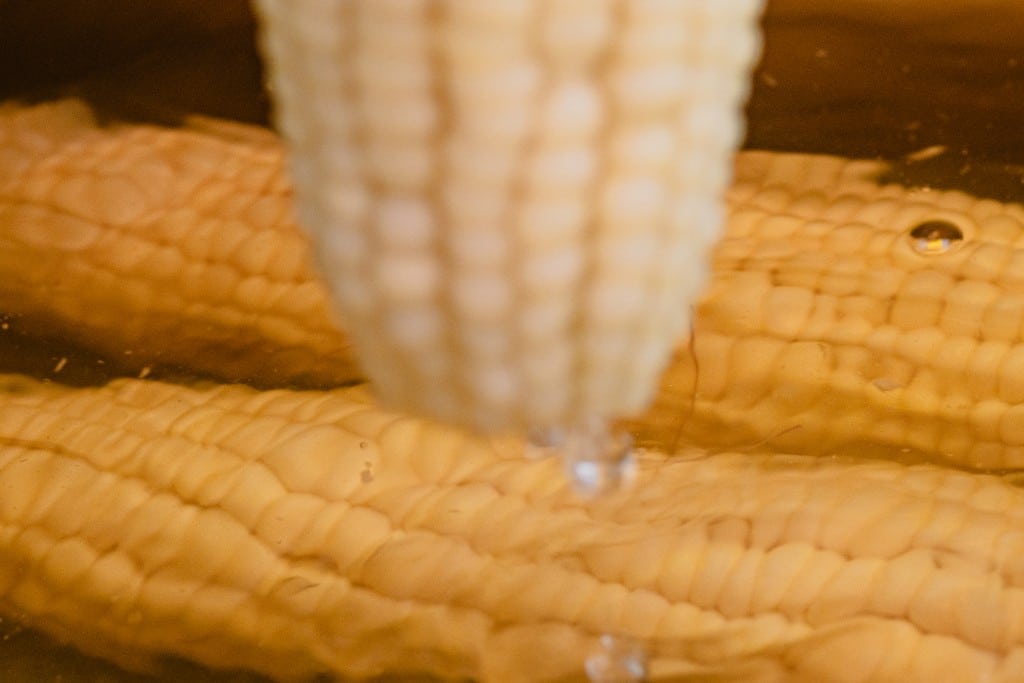
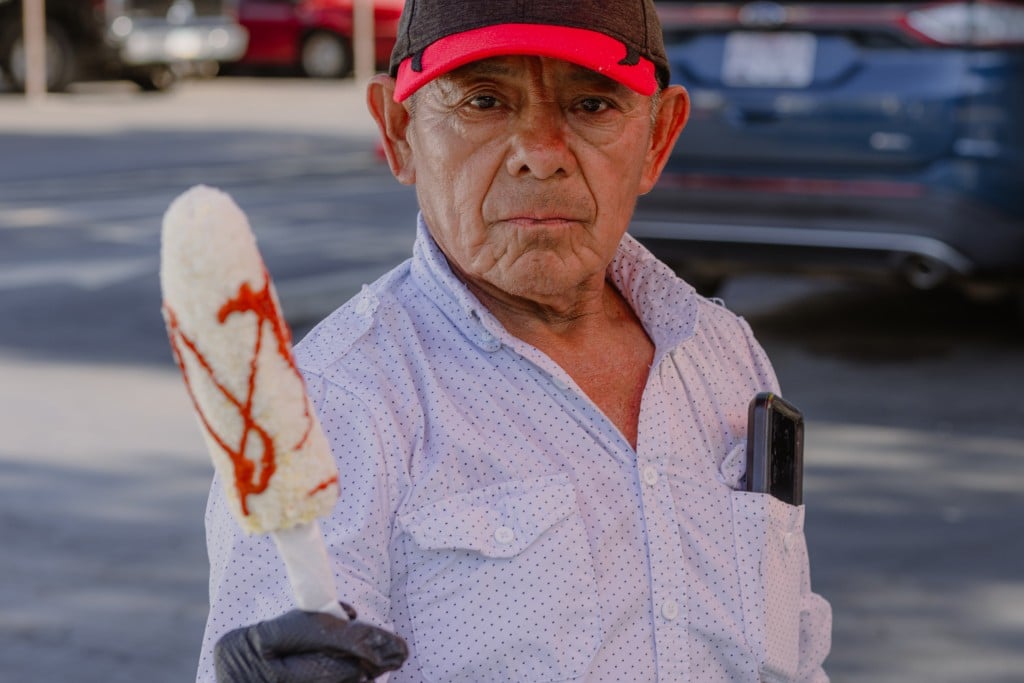
Las mazorcas hierven en recuerdos. El humo de la olla se le enreda con los pensamientos. En los ojos trae pintado el camino a Puebla. Epifanio reparte en su carrito la historia entera de México.
Vino de Puebla, donde nunca soñó con quedarse; donde no pensó que un día tendría que irse. Allá dejó la milpa. Acá la vende por piezas. La frontera lo hizo migrante, en el vecindario de Maryvale le dicen: elotero.
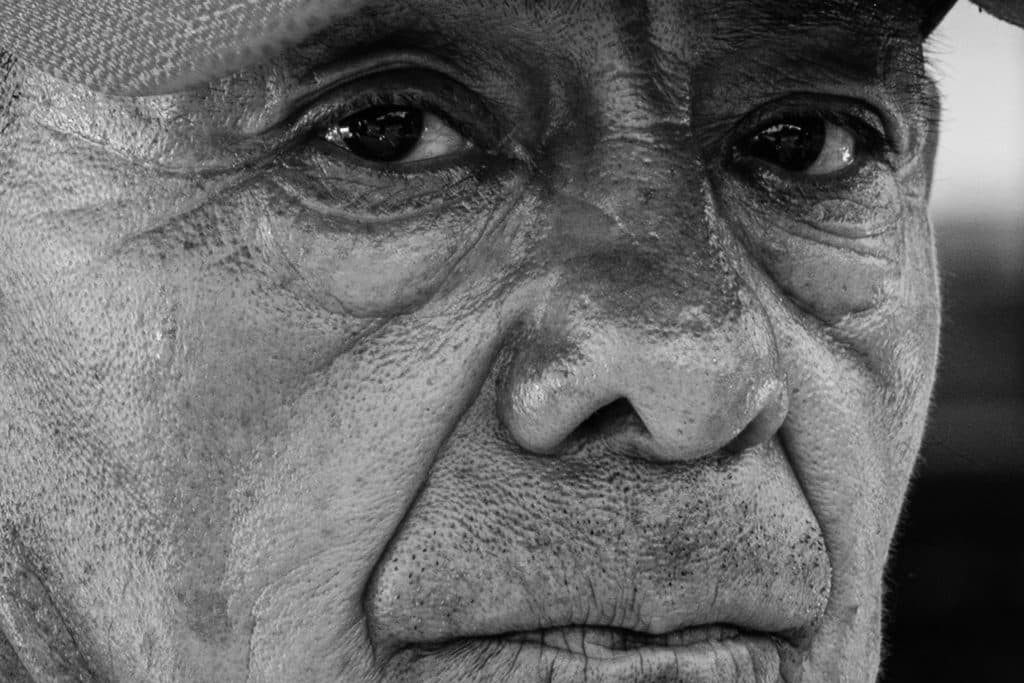
Epifanio levanta un altar sobre ruedas. Cada elote servido es un tributo pequeño a los dioses. Diez mil años después, el campo sigue entregando el regalo: un símbolo de vida, fertilidad y sustento.
Corre, Epifanio, sal más temprano, sin importar que arda el verano. Detente, Epifanio, te llaman en la esquina donde se juntan la memoria y el hambre. Ve con prudencia, Epifanio: para los hijos del maíz el norte es territorio incierto.
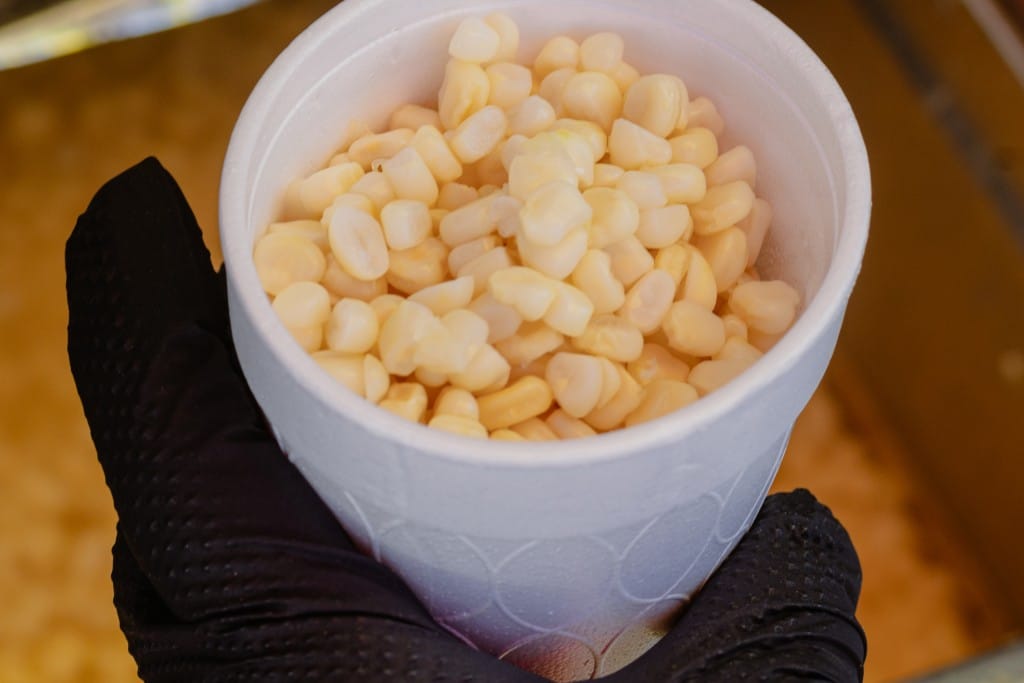
¿Ya pagaste la renta, Epifanio? Suena la corneta.
¿Ya mandaste dinero, Epifanio? Afirma la corneta.
¿Ya rezaste, Epifanio? Suspira la corneta.
¿Ya le hablaste a tu familia, Epifanio? Llora la corneta.
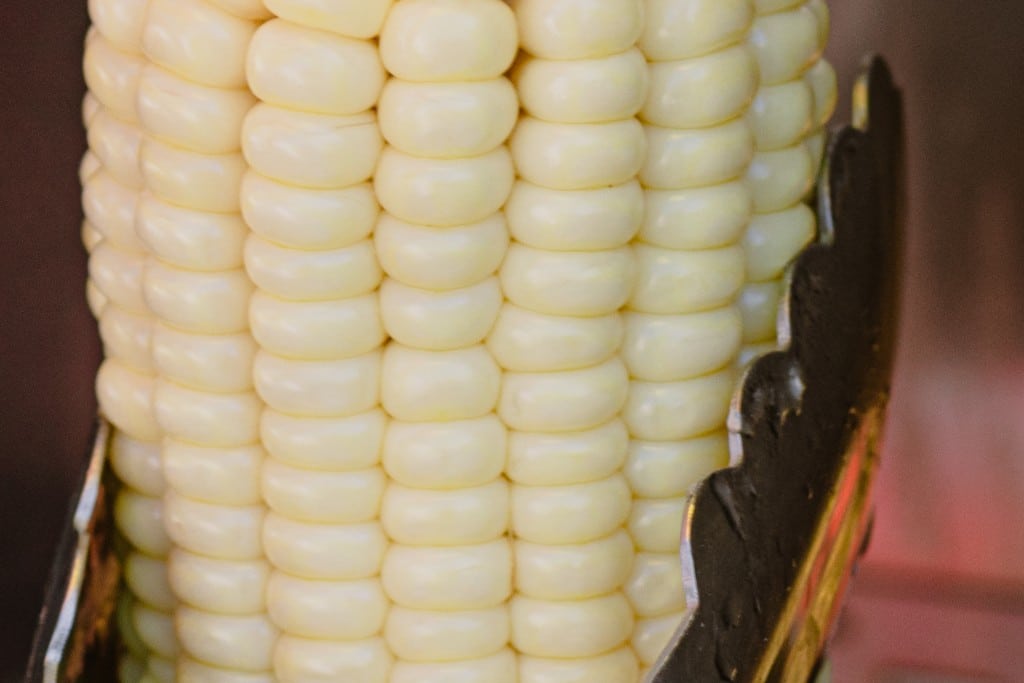
El carrito reluce sus hierros pintados. Las pinzas y la olla suenan: melodía de barrio. En Puebla la ganancia sabe a tortillas. De este lado sabe a renta e impuestos.
Alguna vez el maíz fue teocintle, libre en las tierras altas de Chalco y en la cuenca del Balsas. Hoy viaja en un carrito de metal, domesticado una y otra vez por la historia y por la necesidad.
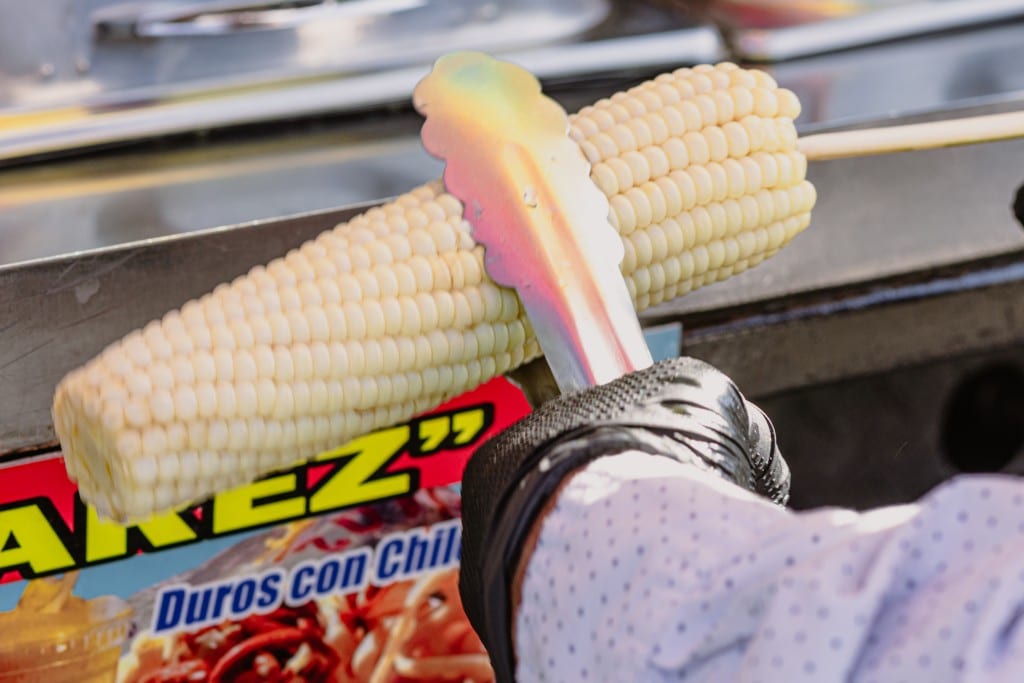
En las tardes de Maryvale, el carrito se vuelve centro. Elotes, raspados, dulces. Sin permisos ni licencias, la nostalgia se impone como símbolo de un pueblo que resiste lejos.
Parte el limón en dos. Le pone mantequilla, mayonesa y queso. Sobre la mazorca traza con chile rojo, el camino que un día lo llevará de regreso.
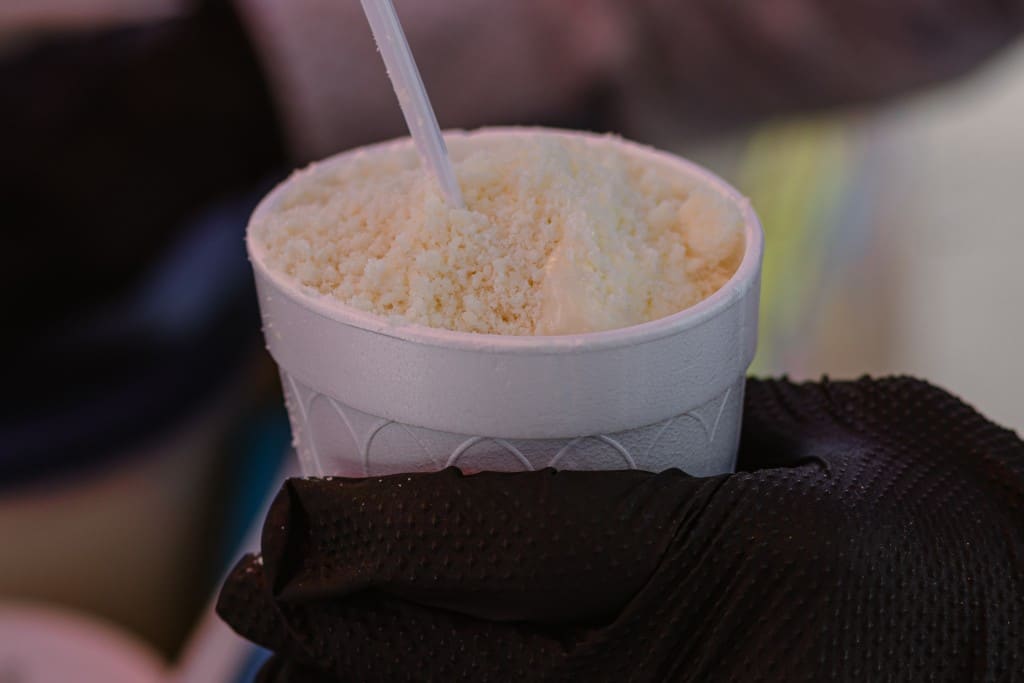
Los niños corren con dólares extendidos como si fueran alas. El maíz se asoma desde la olla y sonríe con sus mil dientes de oro. Reconoce a sus hijos y por ellos quiere ser domesticado.
Al final de la jornada, el espíritu del maíz burbujea en la olla y le acompaña de regreso a casa, mientras el mismo sol de Puebla, en Arizona baja lento.
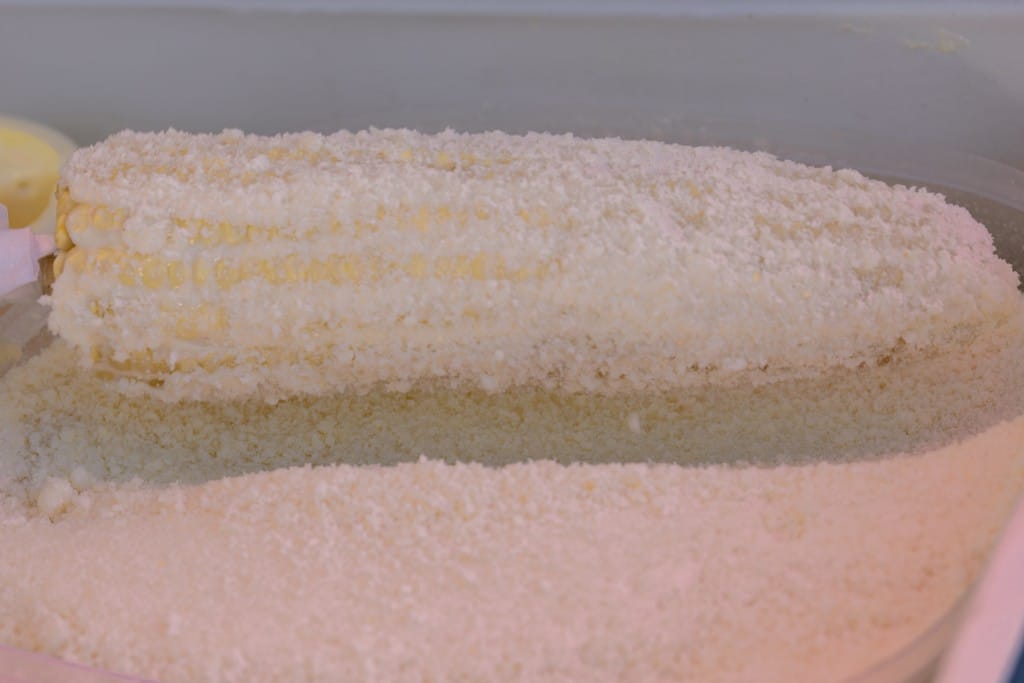
Mira hacia el sur, y piensa en todo lo que ha cruzado: montañas, fronteras, desiertos. Siente el polvo en la boca, con azúcar de un raspado endulza el recuerdo.
Debajo de la tierra, Cintéotl, el dios del maíz, no distingue fronteras. Promete grano, promete cosecha. Mientras haya milpa, habrá pueblo.
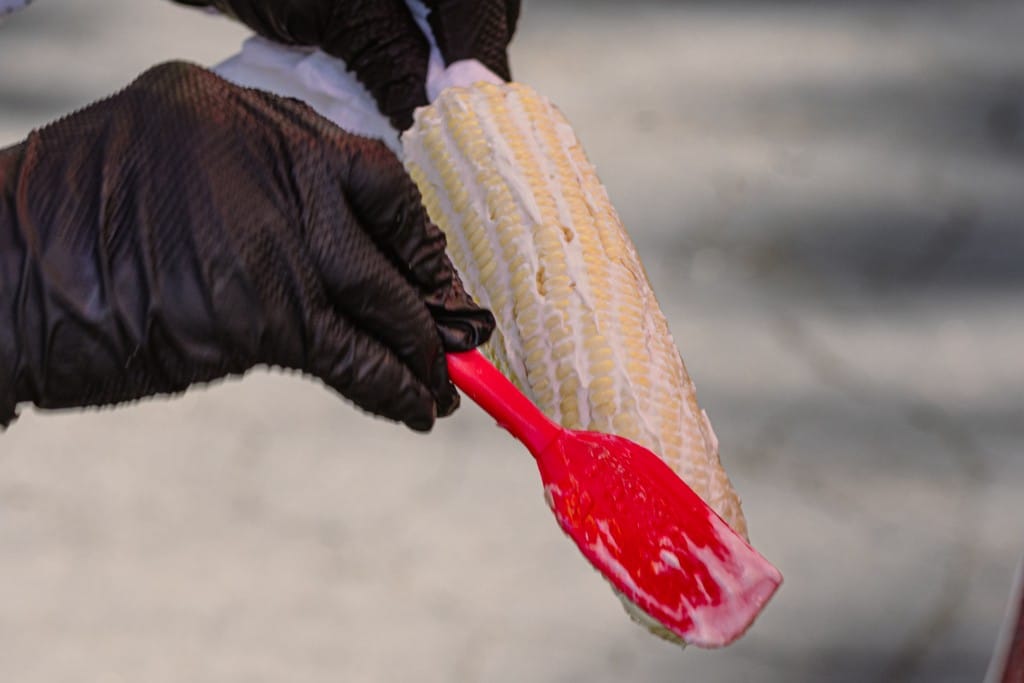
Mañana volverá a hervir la vida. Su rostro curtido mira fijo: En sus pupilas caben Puebla y Phoenix al mismo tiempo. Caben su esposa y sus seis hijos, cabe la esperanza de volver a verlos.
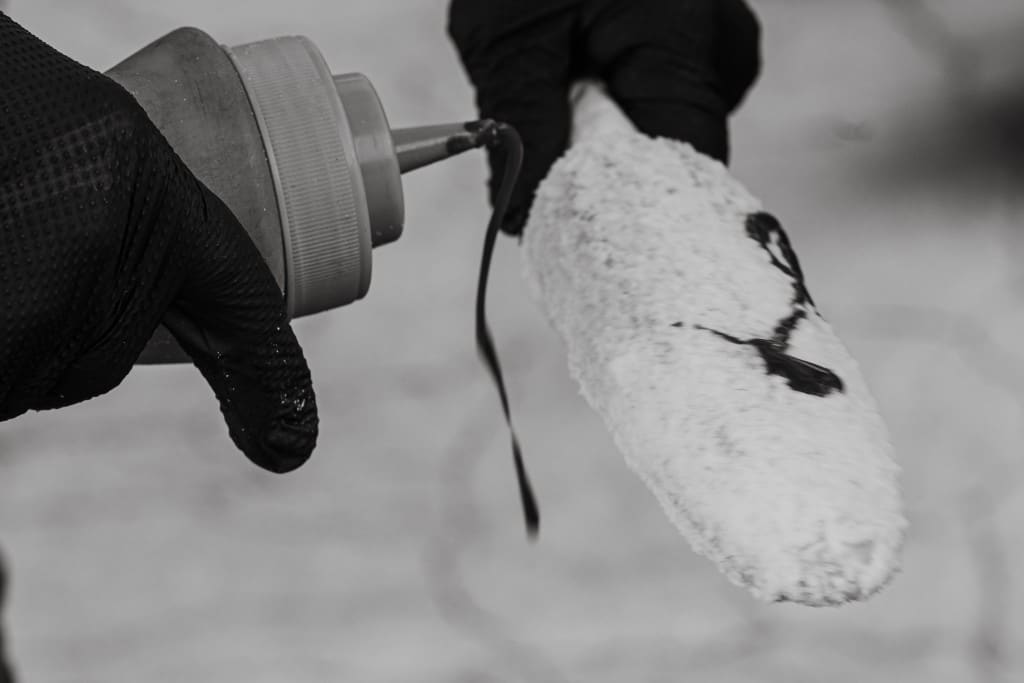
En sus manos, el teocintle de Jalisco, el maíz del Balsas, la tortilla de su infancia y la mazorca que paga la renta.
Un país partido. Un maíz entero.
Letras de Celia E. Ramos Montoya y fotografías de Daniel Robles; edición Maritza L. Félix.
Gracias especiales a Epifanio Alvarez Sampayo.
Epifanio tiene 65 años. Llegó a Phoenix en 2006, de Puebla, buscando ayudar a su esposa y seis hijos. Diecinueve años después, no los ha vuelto a ver. Por más de una década ha vendido elotes en las calles de Maryvale. Con su trabajo ha pagado escuelas, medicinas, y ha mantenido la vida de los suyos al otro lado de la frontera.
En Maryvale lo conocen y lo saludan por su nombre, aunque no conozcan su historia. El sonido de su corneta anuncia no solo el antojo de la tarde, sino también el andar de un hombre que encarna la perseverancia de miles de migrantes.
También puedes escuchar la historia de Epifanio, el elotero, en el episodio de Cruzando Líneas de nuestra segunda temporada. ¡Disfrútala aquí!
Read in English
Mosaics: Corn
BY CELIA MONTOYA & DANIEL ROBLES ● MOSAICS ● SEPTEMBER 25, 2025
“The corn of Anáhuac, the corn of faithful waves, body of the mexitlis, comes to my body” – Gabriela Mistral
The corn cobs boil in memories. The smoke from the pot tangles with his thoughts. The road to Puebla is painted in his eyes. Epifanio distributes the entire history of Mexico from his cart.
He came from Puebla, where he never dreamed of staying; where he never thought he would one day have to leave. There he left the cornfield. Here he sells it by the piece. The border made him a migrant, in the Maryvale neighborhood they call him: elotero.
Epifanio builds an altar on wheels. Each corn cob served is a small tribute to the gods. Ten thousand years later, the countryside continues to deliver its gift: a symbol of life, fertility, and sustenance.
Run, Epifanio, leave early, no matter how hot the summer is. Stop, Epifanio, they’re calling you on the corner where memory and hunger meet. Go with caution, Epifanio: for the children of corn, the north is uncertain territory.
Have you paid the rent, Epifanio? The horn sounds.
Have you sent money, Epifanio? The horn affirms.
Have you prayed yet, Epifanio? The horn sighs.
Have you talked to your family yet, Epifanio? The horn cries.
The cart’s painted metal parts gleam. The tongs and pot clang together: the melody of the neighborhood. In Puebla, profit tastes like tortillas. On this side, it tastes like rent and taxes.
Once upon a time, corn was teocintle, growing freely in the highlands of Chalco and the Balsas River basin. Today it travels in a metal cart, tamed again and again by history and necessity.
In the afternoons in Maryvale, the cart becomes the center of attention. Corn, shaved ice, sweets. Without permits or licenses, nostalgia prevails as a symbol of a people who resist from afar.
He cuts the lemon in half. He adds butter, mayonnaise, and cheese. On the corn cob, he traces with red chili pepper the path that will one day take him back.
The children run with dollars spread out as if they were wings. The corn peeks out of the pot and smiles with its thousand golden teeth. It recognizes its children and for them it wants to be tamed.
At the end of the day, the spirit of corn bubbles in the pot and accompanies him back home, while the same sun of Puebla, Arizona, slowly sets.
He looks south and thinks of everything he has crossed: mountains, borders, deserts. He feels the dust in his mouth, sweetening the memory with sugar from a raspado (shaved ice).
Under the earth, Cintéotl, the god of corn, knows no borders. He promises grain, he promises harvest. As long as there is corn, there will be people.
Tomorrow, life will boil again. His weathered face stares intently: his pupils can hold Puebla and Phoenix at the same time. They can hold his wife and six children, they can hold the hope of seeing them again.
In his hands, the teocintle from Jalisco, the corn from Balsas, the tortilla from his childhood, and the corn cob that pays the rent.
A split country. A whole corn cob.
Words by Celia E. Ramos Montoya and photographs by Daniel Robles; edited by Maritza L. Félix.
Esta historia es un fragmento de Mosaicos, el proyecto de Conecta Arizona que recoge pedazos de vida, color y memoria, ensamblados como azulejos que celebran la belleza migrante y transfronteriza. Aquí cada relato y fotografía es una pincelada que honra la herencia vibrante, cruda y real que une ambos lados del muro.
Explora aquí otros matices, rostros e historias tejidas en colaboración con autores y artistas independientes.
Queremos que Conecta Arizona sea ese lugar en donde podamos darle un espacio, un eco y amplificar tus historias.
Plumas invitadas de Conecta Arizona
Autores